I’ve had a lot of spare time recently, and I decided to play a game on my phone just for the hell of it. It was Uno, and to my surprise, it had a battle pass. I knew this practice was very common, but I never expected a simple card game like Uno to have one. This got me thinking.
The first time I saw a battle pass was in Fortnite, but I was relatively certain they weren’t the originators. So, I had a question: Where did the battle pass come from?
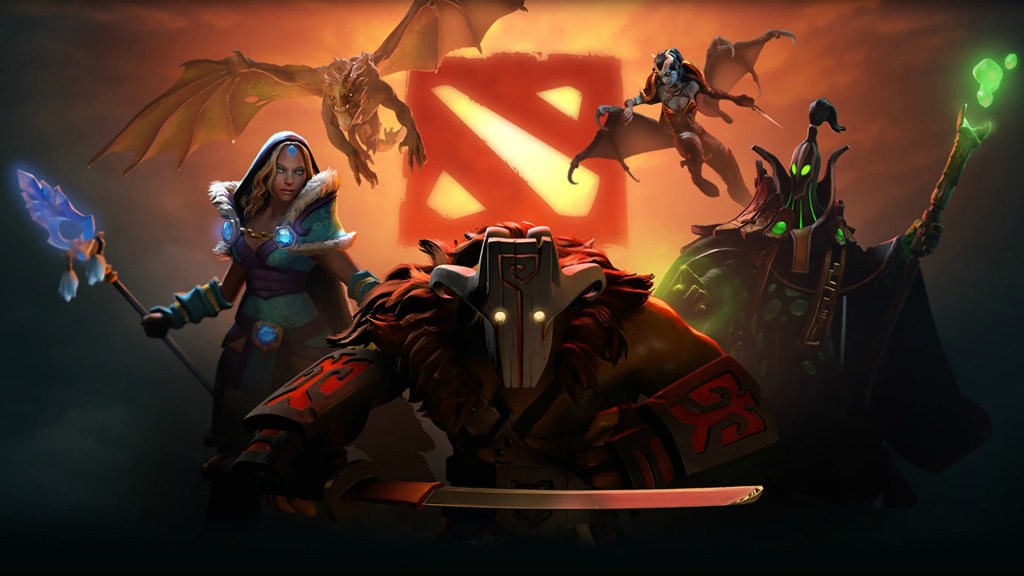
Although it’s tough to say which game was the first to implement it, most people agree that Dota 2 was one of the earliest adopters of the practice.
Starting in 2013, Dota 2 released their battle pass titled the “Interactive Compendium” during the annual International Tournament hosted by Valve. This was a far cry from the battle pass system we’re used to today, however, as most of the rewards were tied to a prize pool. The more people bought the battle pass, the more the prize pool would go up, meaning more rewards for the battle pass owners.
The practice wouldn’t become popular until 2017 when Fortnite launched the second season of their battle royale mode along with the debut of their own battle pass. For 950 V-bucks, the in-game currency of the game, you can purchase a battle pass, or enjoy the free version. 1,000 V-bucks cost $9, but the battle pass also rewards you with free V-bucks every so often.
After this, the practice spread like wildfire with games such as Apex Legends, PlayerUnknown’s Battlegrounds, and Call of Duty incorporating their own battle passes.
Trends in video games come and go, but the battle pass, for better or worse, has remained a constant in the last several years.
Feature image source
Read More:
Check Out the 3 Best Visual Novel Games on Xbox
 PopPunch